




Safe deposit box insurance: what the bank is actually liable for
To what extent the bank is liable for your safe deposit box, why the terms and conditions cap the amount, and how bank safe deposit boxes differ from a private home safe in everyday use.
 by Tim Herberger, Fachredaktion bei Bremer Tresor
Using a bank safe deposit box is still considered one of the safest methods in Germany for storing physical assets like gold, jewelry, or important documents. However, the assumption that stored items are automatically protected against every loss up to an unlimited amount is a widespread misconception.
This article objectively examines the legal foundations, analyzes real-world risk scenarios, and shows how consumers can effectively safeguard their wealth.
The Changed Security Situation
Recent reports of spectacular break-ins at vaults and bank safe deposit boxes, such as the cases in Gelsenkirchen with millions in damages or in Norderstedt, have unsettled many bank customers. The assumption that valuables in safe deposit boxes are absolutely secure has had to be revised.
Foundations of Insurance Coverage
A bank safe deposit box is not a lawless space with comprehensive insurance. The legal basis is usually a rental agreement, not a safekeeping agreement. This means that the bank does not know the contents and is generally only liable based on the principle of fault.
While safe deposit boxes at German banks are among the safest places for valuables, police crime statistics show a shift: while classic bank robberies are declining, professionally organized break-ins and natural disasters, such as flooding in basement areas due to heavy rain, are on the rise. Standard contracts are often not immune to these risks.
Alternatives to External Storage
The disappearance of bank branches, with a decline of around 8.4 percent in 2024, is leading to a shortage of safe deposit boxes. As a result, two alternatives have become established:
- Private, bank-independent providers like Trisor or Asservato. They often offer modern high-security concepts and more transparent insurance models, but are less common locally.
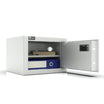
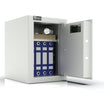
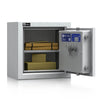
- The domestic home safe. The classic alternative for direct access.

How to properly secure yourself
If you choose a bank safe deposit box, a passive approach is risky. Experts advise active risk management.
- Check special insurance
- Special policies often offer all-risk coverage including natural disasters and full coverage for cash. Pay attention to the "first loss" principle to avoid deductions due to underinsurance.
- Document completely
- Create a detailed inventory list. Keep purchase receipts and photos separate from the safe deposit box.
- Cost-benefit analysis
- Premiums for supplementary insurance are moderate, often double-digit per year. That is cheaper than the risk of a total loss.
- Option: Home safe
- Ensure VdS certification, at least Class 1, and proper anchoring. What your policy requires for this can be found under Insuring a safe.
Security is not a state, but a process. Go through these four points to close coverage gaps:
- Determine value and plan a buffer. How much are your contents worth today? Beware of gold, where prices fluctuate. Plan for a 10 to 20 percent buffer.
- Calculate insurance gap. Replacement value minus bank liability and home contents insurance equals your gap.
- Check cash and natural disaster coverage. Is cash excluded from your home contents insurance? Does the insurance pay for flooding in a bank safe deposit box?
- Document completely. Create an inventory list, scan receipts and secure them digitally, never only in the safe deposit box itself.
Bank safe deposit box or your own safe
While the bank safe deposit box offers enormous structural protection against forced entry, the analysis shows: true security also requires independence. If you do not want to be dependent on opening hours, sketchy terms and conditions, and state registration systems, you will often find a more sovereign solution in your own certified home safe.
With the right resistance grade and adjusted home contents insurance, you can bring the security level of the bank into your own four walls. Which grade covers what amount is detailed under VdS Classes and Insuring a safe.
Show source directory and references
- Police crime statistics 2024: data on burglary and crime trends.
- German Civil Code (BGB) §§ 535 et seq. and § 688: legal distinction between rental agreement and safekeeping agreement.
- Media reports 2025: Sparkasse Gelsenkirchen and Norderstedt cases.
- Consumer advice center: notes on liability limits and T&C clauses at banks.
- VdS Schadenverhütung: guidelines on security classes according to EN 1143-1 and insurance sums.
- Insurance conditions VHB: typical exclusions in home contents insurance.
Which resistance grade covers your valuables?
Tell us the value you want to secure. We will tell you which class your insurance requires and which models are suitable.
Suitable safes


